In 1831 a craftsman whose name is no longer on the stone built a
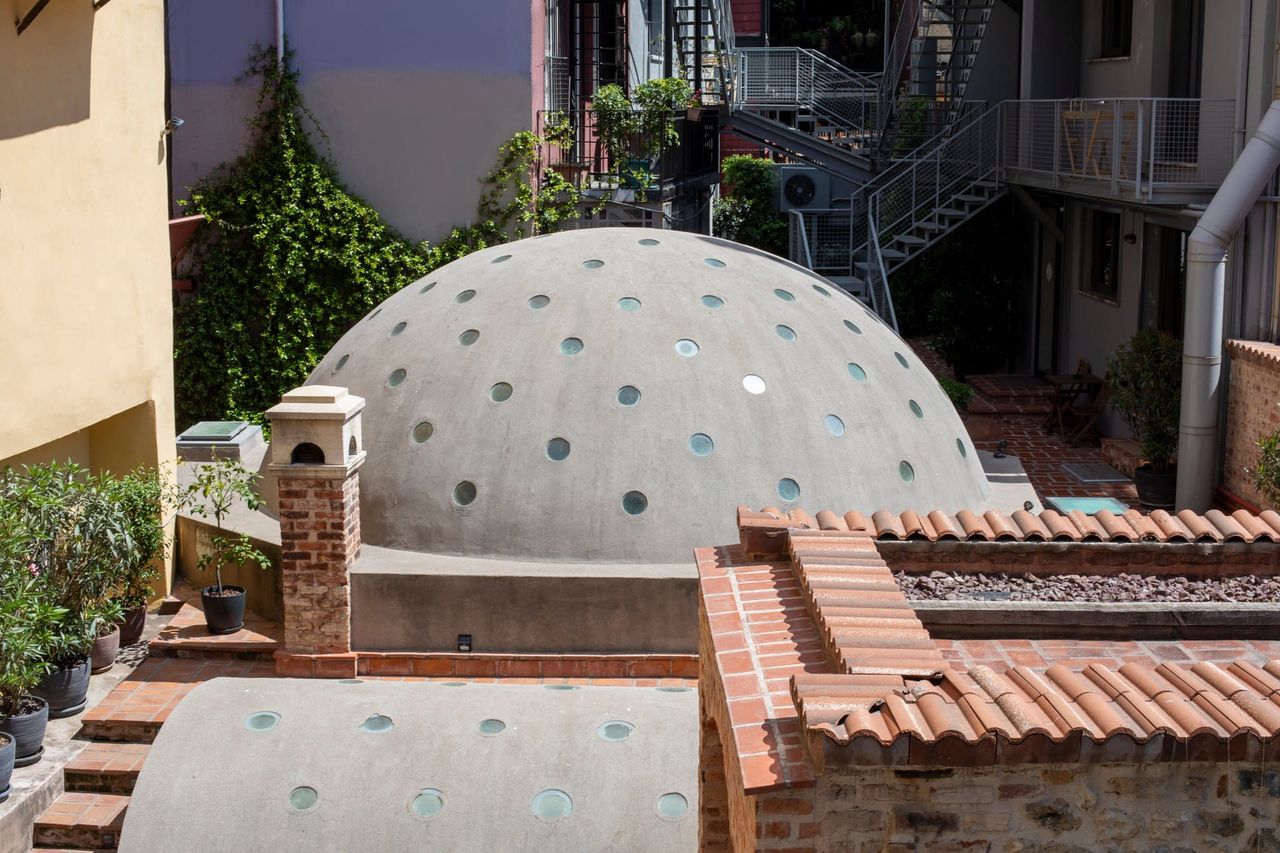
hamam on the corner of Çukurcuma, on a hill above Beyoğlu that
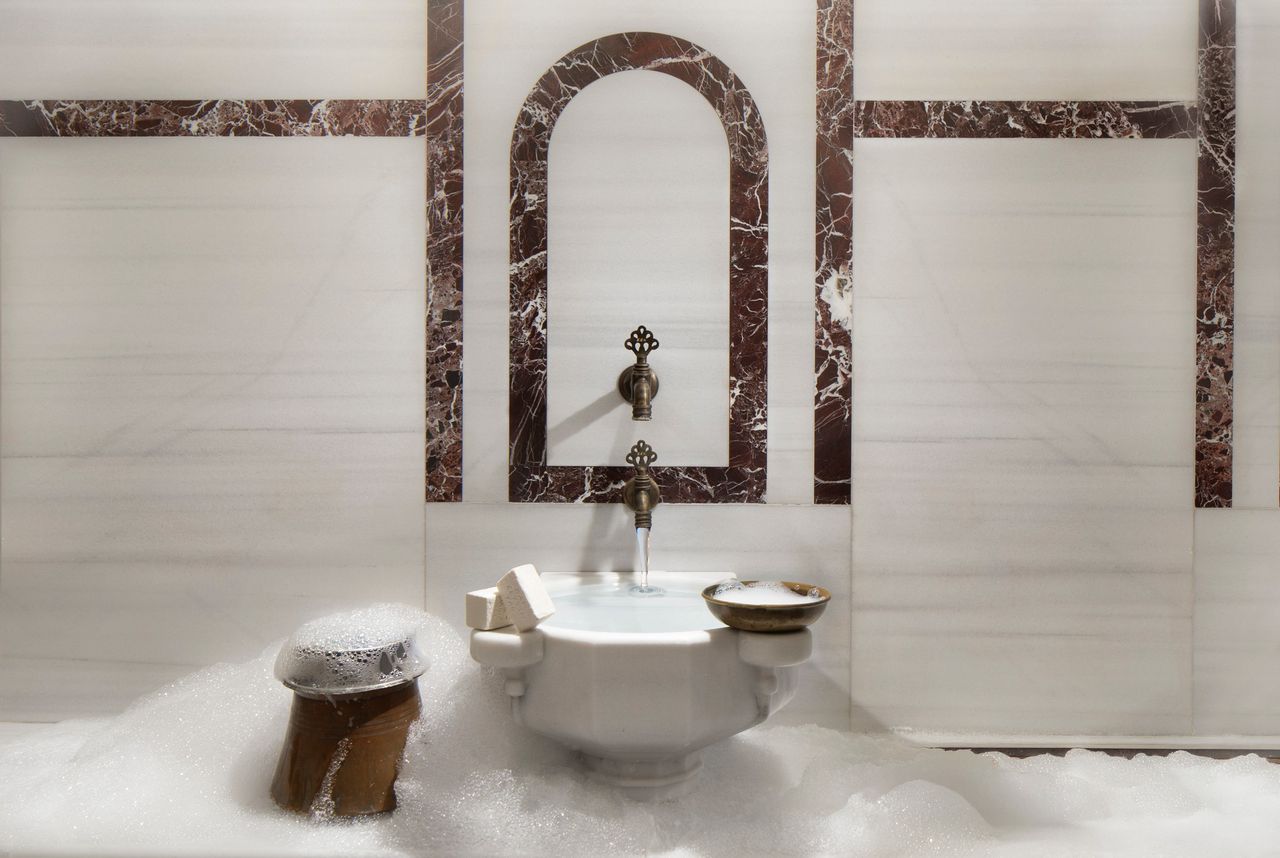
already had three tea houses and a small bazaar. The marble was cut
from the quarries on Marmara Island and laid on a heating system of
clay flues that still run beneath the floor today. The hamam was
the centre of the corner. The buildings around it came later.
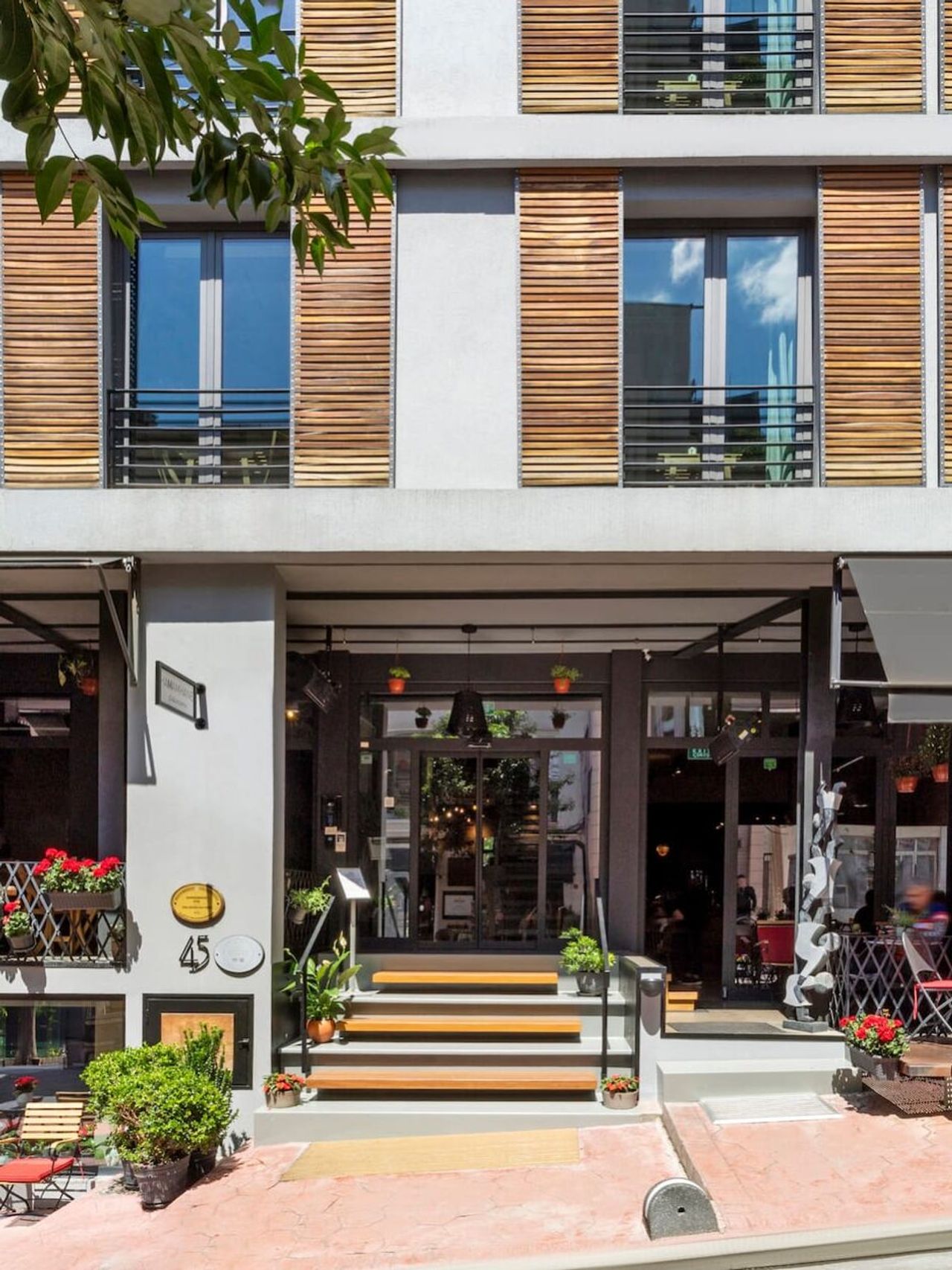
One of those buildings — built directly onto the hamam's courtyard
wall in the 1860s — became the
hammamhane: the attendant's
house. For most of a century it housed the men and women who
looked after the marble next door. Through the fires of 1870 and
1922, through the closures of the early Republic, through the
warehouse decades of the 1970s, the building kept its shape and
forgot its purpose.
We bought the ruin in 2018, from a family that had owned it since
1953 and could no longer pay to keep it standing. The roof was
half through. The chestnut shutters were stacked in the courtyard
in three layers of paint. The original lime-mortar walls were
behind drywall, plaster, and a 1970s ceramic-tile bathroom that
had to come out very carefully.
Four years of restoration work — by Turkish craftsmen who still
know how to repair an Ottoman wall, lit by a small team of
architects who have done this before — produced what is here now:
seven apartments, each with its own kitchen, each with the kind
of bed and bath you would actually want for a week. The hamam
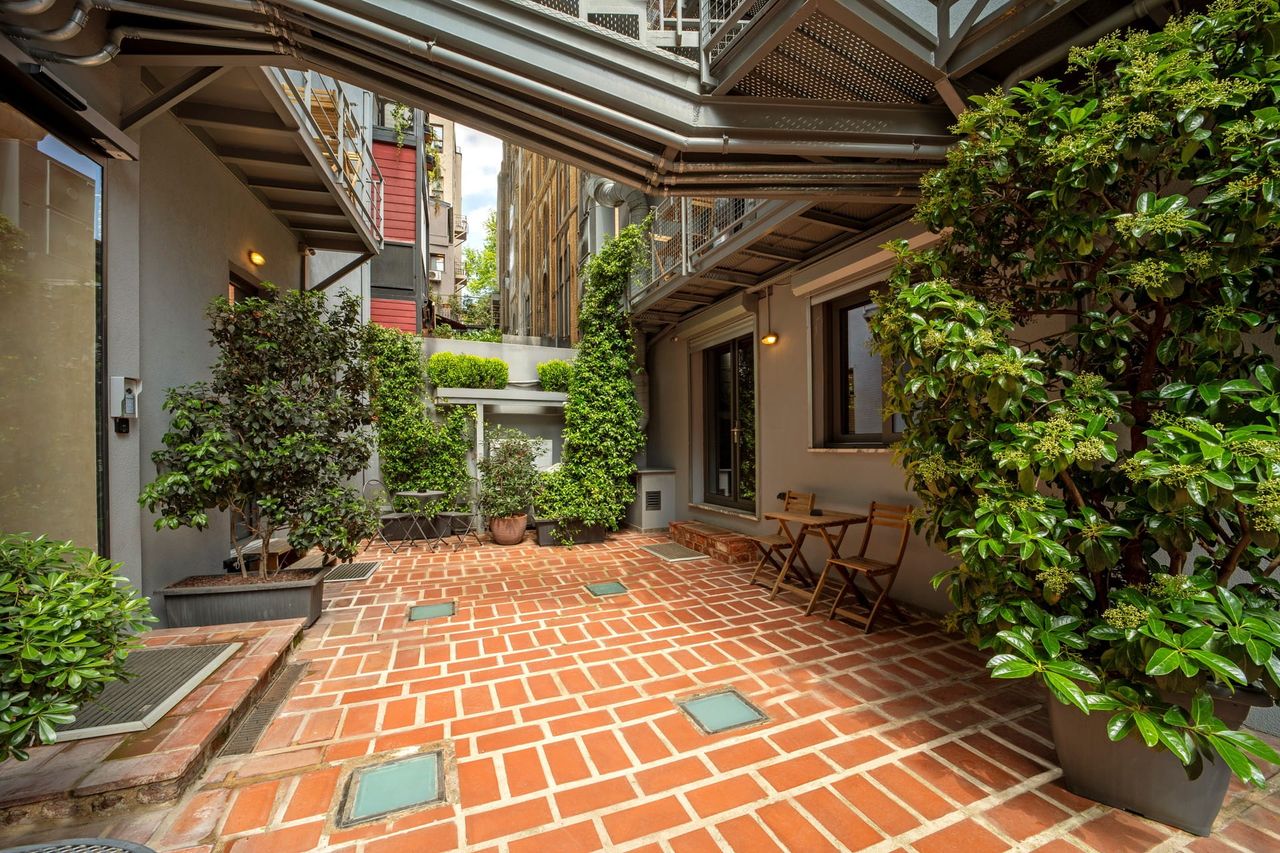
next door was restored on its own schedule by its own owners and
reopened in 2019. We share the courtyard.
Hammamhane opened in 2022.
The family who restored it still runs it. We live in Çukurcuma.
We greet guests ourselves on most mornings. The names on the
front desk are real.